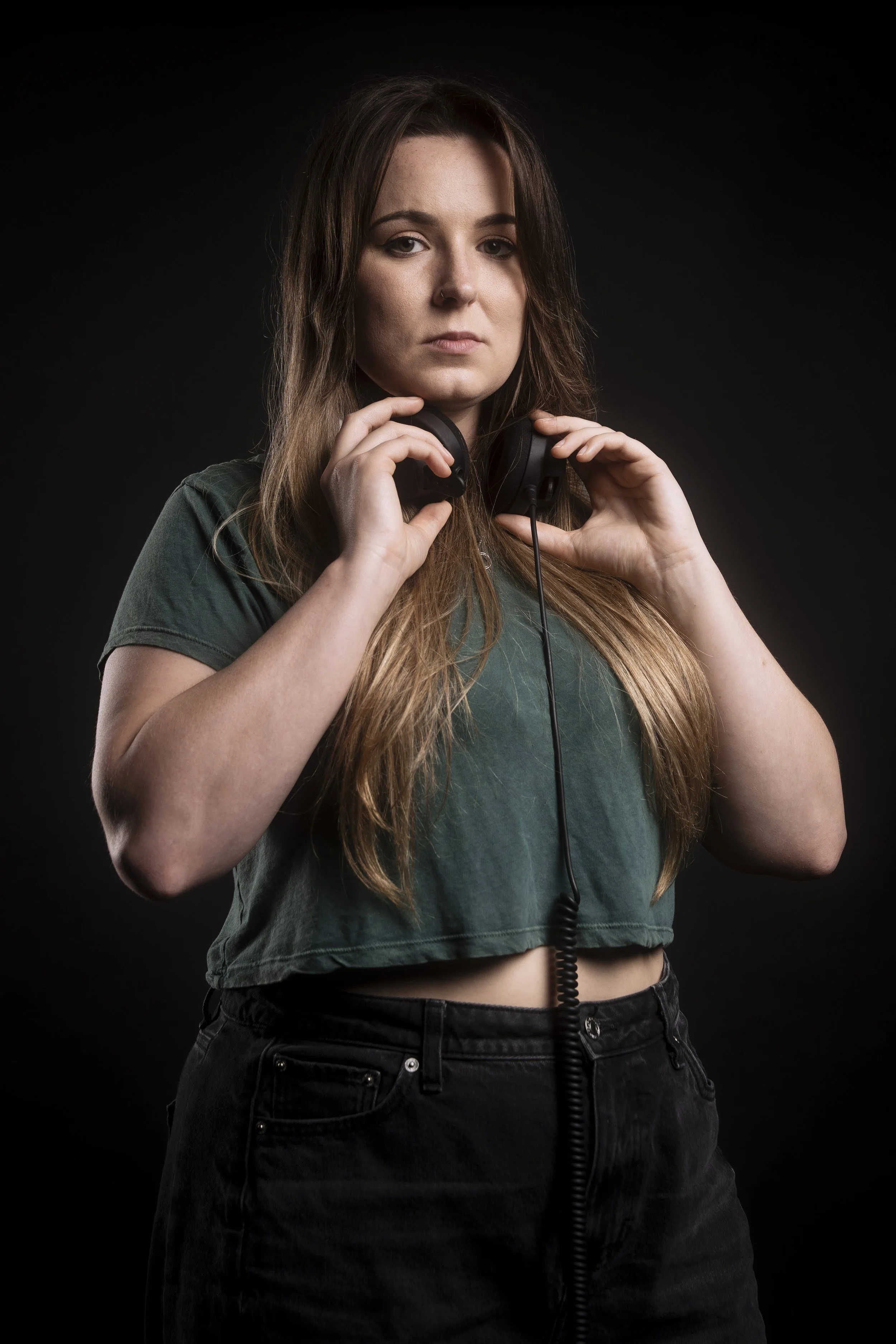
Lou Sawdy is part of the 5%… that being the staggeringly low percentage of music producers that are women and gender minorities. A big discussion point within this conversation is, why? Why aren’t there more women and gender minorities going down the music production path? Amongst other things, she shares her thoughts on this, the opportunities that are around now for aspiring producers, and how we can continue increasing that percentage in time.
[If you’d like to watch this conversation instead, click here to watch it on YouTube!]
First of all, could you introduce yourself and explain what it is that you do within the industry?
I'm Lou Sawdy. My roles, plural, kind of span a couple of things. The first kind of role is that I work at The Ranch in Nursling, Southampton, and I'm one of the staff engineers there. I've been there for about four and a half years now, and then my other main role is here at Planet Sounds. I am the studio manager and lead engineer. So my day-to-day is booking, recording bands, mixing, mastering, sort of production, and doing a little bit of writing here and there. That's the general overall of what I do.
When did you know that you wanted to have a career in music?
I think quite early on I knew I wanted to do music. I remember I started classical guitar when I was nine and I didn't realize it was classical guitar I was doing at first. My Dad listened to a lot of prog rock, and I said that I wanted to play like Slash. The school that I went to offered classical guitar lessons, so my parents finally gave in and said I could have guitar lessons. But my teacher was like, “right, and now we're sitting down and playing Greensleeves.” I ended up absolutely loving it. I went to college and music was one of the things that I studied, but I was also doing sciences. I went into my first chemistry lesson and the teacher was going around asking what everybody wants to be when they're older. People were saying “I'm going to be a doctor.” “I'm going to be an astrophysicist.” And I said “I'm going to be a musician!” She kind of looked at me as if to think, why are you here? Haha. So it was relatively early on, but the music production side I was really late into. I think most people who get into it, get into it in their mid to late teens sort of thing. I didn't end up even starting until my mid twenties, basically. I did a music degree at Southampton University, which is like the classical academic side of things, but I was really ill for a year, and had to take a year off, and was sort of doing some songwriting at home, and that's where I kind of fell in love with it. It was just binge watching YouTube videos, and I did my dissertation on it in the end when I went back, and met some really, really cool people through my research who kind of put me in touch with The Ranch, and that's how I ended up there. Which was a real stroke of luck, to be honest. It's been really cool.
You sort of touched upon it, but the passion that you have for music… Do you think that stemmed from your influence from your parents?
I mean, yes, but there's been so many influences. It's always been quite a musical household. There's a photo of me at 18 months old sat playing my Dad's keyboard, and things like that. So, massively, and my parents are so supportive with it as well, which has been lovely, but there's so many other people like my guitar teacher that I've had since I was nine. We're still in contact and it's funny because she used to teach me guitar and now we'll meet up for a drink. There's been open mic nights, which I tried when I was around 14, 15 or so, which were run by an amazing guy called, who we called Coops, and I actually met up with him again recently and it was a real kind of like full circle moment of this guy who really helped me with my confidence being on stage. I used to shake, I was so nervous. And so there's been so many people along the way that have influenced it, different sorts of bands and friends that I've met, and it kind of perpetuates it. I think it's so exciting when you meet a new person and it's extra inspiring.
Definitely. You have experience of both sides of the stage, as you are in a band yourself, too, but the producing and the sound engineering is your main line of work. What led you down that path initially?
It was when I was ill, and on this year out where I couldn't do much with how ill I was. So I was kind of expressing a lot of emotions at home, doing songwriting, and I was just getting so frustrated that I didn't know what I was doing. My Dad bought me a Roland or a Boss 8-track recorder, and oh my God, the instructions on it were diabolical. I quite quickly moved on to getting myself Mac and Logic and having a go with that, binge watching all these YouTube videos and kind of got really into it from there. Then it opened up this world of so many processes that people don't even know exist, and I still have young breakout artists coming into the studio and they say, “cool, so we're done?” And I'm like, oh no, no, no, we're not done. There's so many different things, whether it's, all the different types of editing that go on, and, you know, some people don't even realise how long it takes to mix something. It varies per song, obviously, but I think that I just got so interested in how songs were put together on a commercial sort of level, and then the arrangement side of things as well, which is something I absolutely love. I find that really interesting. You then start ending up going down like the gear nerd side of things and realise how many types of compressors there are, and then it never ends. It's a black hole haha.
I can imagine! What would you say is your favourite part of the job?
Oh, I think the people, and I know that sounds really cheesy, but I get to meet so many really cool, interesting people. It's almost like, I find it quite difficult sometimes when I'm mixing on my own a lot because you miss that interaction, but there's something really satisfying about doing the mixing as well. You get to the end of it and you're like, I did that! But bouncing off all the different kinds of personalities that come through the studio, and there are so many varieties of people… It's so cool. You get to make friends with people as well. Working in a studio, particularly if you're doing something like an album, you know, you're in the studio for however long it is, let's say it's a couple of weeks… you become so friendly with these people because, it’s a professional working relationship, but it's different from being in an office or something like that. So you find out so much about each other, but yeah, there's a really special thing that happens in the studio that I think is so hard to replicate anywhere else. I think with music being so expressive, it's like a really magical thing to capture.
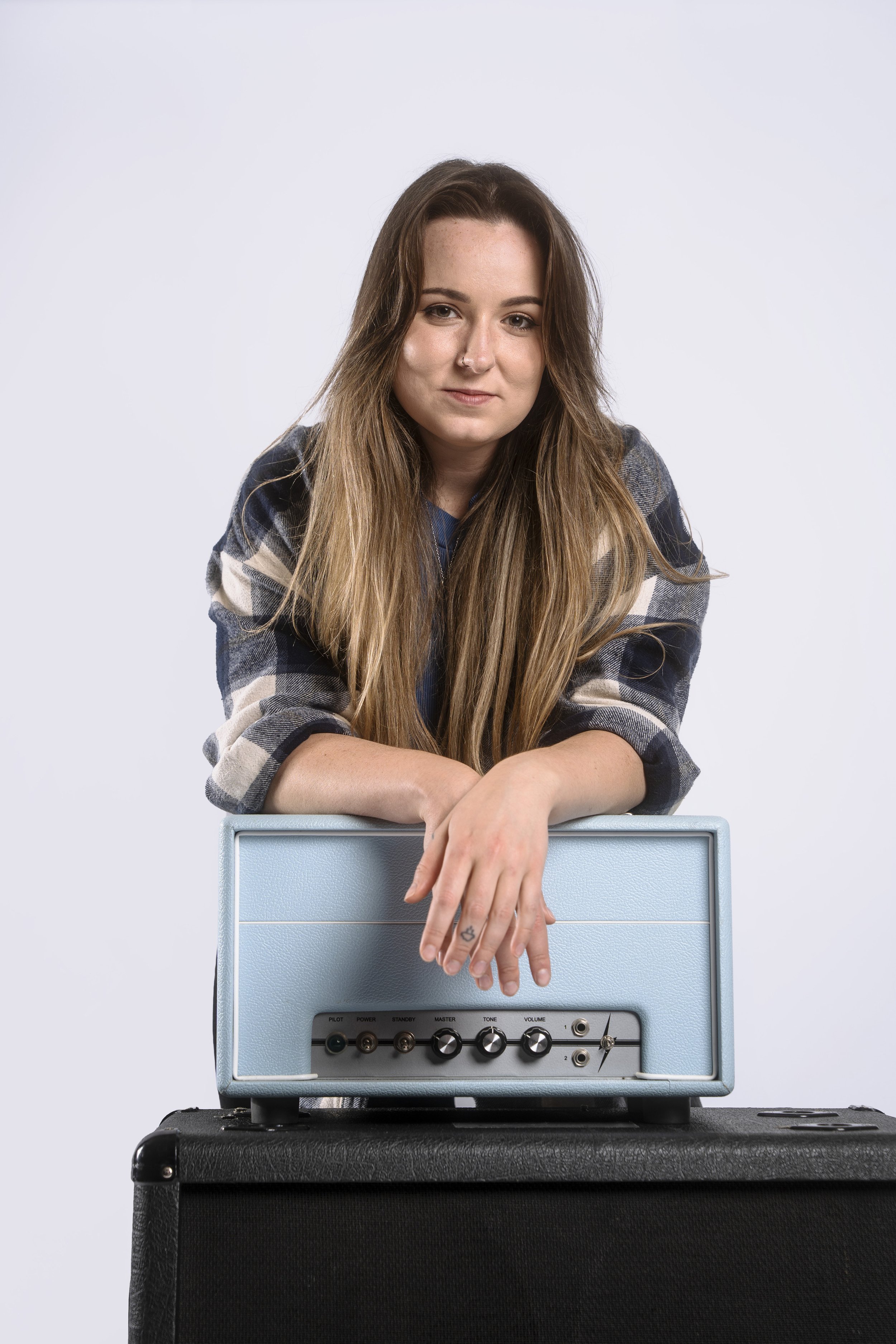
Lou Sawdy, UNMUTED, 2026 © Alia Thomas | www.aliathomas.com | Please do not use without permission or share without credit.
It sounds special, and with that, you've had, and do have repeat clients that come back to you for certain projects, different albums, EP singles, all sorts. It must be nice to see the evolution of your work together as well over time?
Yeah. There's a few artists which I've had pretty much since day one, and when I first started at The Ranch, I knew basically nothing. I came in as a studio assistant and was learning on the job the whole time, and for those people to stick with me from where I was and, you know, I'm still quite early in my career in terms of music producer careers and stuff. But I already feel like so much has changed for both me and the artists and seeing it progress is so exciting.
It’s a great feeling, and similarly when I work with an artist over and over, it's nice to see how, both with the visuals but also their confidence in front of the camera, they progress and grow over time. It must be similar with creating the music as well?
Yeah definitely, and especially if it's a young artist when they first came in and now they know the routine, they know what they need to do, and they start thinking differently about things. It’s really cool.
This may be a little difficult to do as it probably varies so much but, what does an average week or day look like to you as a producer?
I'm sure other producers don't have this, but chaos. I like to think I'm quite organised. I have spreadsheets of client tracking or where we are with things, projects, but it does vary so much because you might have a week in the studio, you might have a week of mixing, you might have something else. I've got a job at the moment where I'm writing harmonies for someone's album, and there's also so many other jobs that I do. With SoCo Music Project, I do a songwriting studio class as one of those community based projects. I think as a producer, particularly early on in your career, you do kind of supplement with other things, and that also helps the learning process. And you meet so many cool people along the way, and you never know who you're going to meet and when. That's kind of down to the networking side of things. I think that's really important. The day always starts with a cup of coffee, though. It's so essential. I didn't realise how into coffee so many producers are as well. It's a whole art form, and the discussions that go on are so intense. I mean, it's beyond me. Just give me a couple of teaspoons of Kenko and I'm good to go. But it's really cool. I appreciate a good cup of coffee. I mean the days are so varied. It's hard to pin down. There's so much admin as well. Particularly, because I do it on a freelance basis. So, you know, I'm trying to do my accounting, marketing, admin, there's that whole side of it as well. So people say “it must be great, you do this all day” but actually, I might have done two hours of emails that morning. Looking at three different calendars like mine, the different studios, my band calendar. There's quite a lot of things to juggle!
That is a lot! You’ve mentioned you song-write too. For those who may not know, what is the process of creating a song like?
Oh, that's a really big question. I mean, a lot of the time, I'm not writing songs from scratch. Bands are coming to me with generally a mostly finished song, and it will be things like thinking about different guitar parts, vocal harmonies, but then it's also breaking things down like, does that drum fill work there? Is the bass following the kick pattern? Do we want it to? And it's kind of looking at all these little things that bands don’t necessarily do when they're in a rehearsal room together, because they’re not always listening to exactly the little details of everything. So it's my job to sit and go, “you know what, I think maybe that if we just change this a bit, it might work better” but if the band want it that way then at the end of the day, it's their product, but it's really an ongoing conversation the whole time in the studio about how do you best serve the song and the artists and their vision. I worked with one girl previously who was really, really cool. She had an amazing voice, and she said she wasn’t a musician, but she really wanted to record a song. I said to her let's have some fun, and what did she want to do? She said “I want to do a pop country song.” Which I thought sounded fun, and she had a song, she had the lyrics and a melody, and she literally sent me a voice note which I put into Logic and then recorded my own version of it so it was in time, we kind of worked out a rough tempo. And then I just kind of wrote a whole song and checked with her it was the right vibe, and it was, so we changed a few bits here and there, and it was then a collaborative process. So I mean, there's so many different ways of approaching it. I mean, the band with Lost Post, we are in the process of writing our second album, which is really exciting. I wasn't involved in writing the first album because I recorded them and then joined the band afterwards, which isn't my normal thing with clients haha. I don't go joining every band that comes in. So this is my first time properly writing with them, and it's been a really collaborative experience. We might come in with just some lyrics and a kind of vision of the sort of vibes, as it were. It's been a really collaborative process, which is really, really exciting and fun. We've had dedicated time to do that, but I think there's so many hundreds of ways that you can approach songwriting. It's a hard one to narrow down on that one.
I’m sure everyone has a slightly different way of doing it. The percentage of women producers is very small compared to the percentage of male producers. Why do you think that is?
This is basically what I did my dissertation on. When I was doing my dissertation, I looked up the percentage, and at the time, 2% of music producers were women or gender minorities, which is low, and I came across a group called 2% Rising, who are amazing. They're actually the ones that put me in contact with The Ranch. I think we're now up to 5%, which is progress at least. I think the biggest thing to begin with is there aren't or there aren't visibly a lot of women who are at the real top level. So I didn't think it was something that women could really do, or would feel like I just never had any confidence with it. I quite wanted to do music tech when I was at college, but didn’t think I could do it, and the guy who taught the lectures actually let me sit in on them. That was my introduction to Logic at the very beginning, but I think without people in those positions to kind of inspire the younger generations and let them know it's possible, that's really hard. Then it becomes a generational change that needs to happen, which is happening, but it's so slow. I think if there was more marketing and PR around it, it would help, which is getting so much better. There's so many organisations around it to kind of promote it, offer grants and things like that. I didn't find out till really late in life that Kate Bush does her own production, and it's just not knowing that it's an option, and I think it's really sad that it's taken this long. I think that is the biggest thing for me, because it delays the education, or at least it delayed my education in music tech, and I'm really lucky with the people that I work with, and the people that have taught me have all been really, really supportive. It's quite an intimidating environment to go in, you know. You've kind of got these traditional gender roles, of men being engineers and things like that, which I'm so happy are changing, but I think that translates into the studio because, you know, we're called engineers, and it's that whole labelling that goes with it, that it makes it feel like it's not really a girl's job.
It's a technical job, isn't it? When you take into account the term engineer, too, which as you said are seen more as male roles. Do you think the technical nature of the job has an effect?
I suppose, yeah. I mean, it's not the most glamorous job, if that makes sense. You know, quite often you're on your hands and knees, setting up microphones and things like that. We joked earlier that I didn't get my nails done because I can't play guitar with fake nails on and I chip nail varnish like there's no tomorrow. So, you know, my job is very hands-on, and there's the technical element of it. On a more hopeful note, I've had so many students who are women or in gender minorities who have come up to me looking for positions with shadowing or assisting, and I've actually found that they've been the most proactive. And I'm not saying this is the right thing, but I feel like they have something to prove, and I've definitely felt that before, that you have to prove that you deserve to be there. I've definitely had it in the studio before. 99% of the time everything's fine, but you do still have moments where a band comes in and the vibes aren't quite there to begin with, and I can't necessarily put my finger on it, but you know that you have to just lock down and be like, “right, this is what's happening”, and take charge of it, show that you're capable of doing the job. You know, it's one of the things that, one of the first things I do is start talking a little bit technical about the setup because then in their brains they go, “okay, she knows what she's talking about. We'll all relax now.” It just clears up any misconceptions early on to assure them that I know what I'm doing.
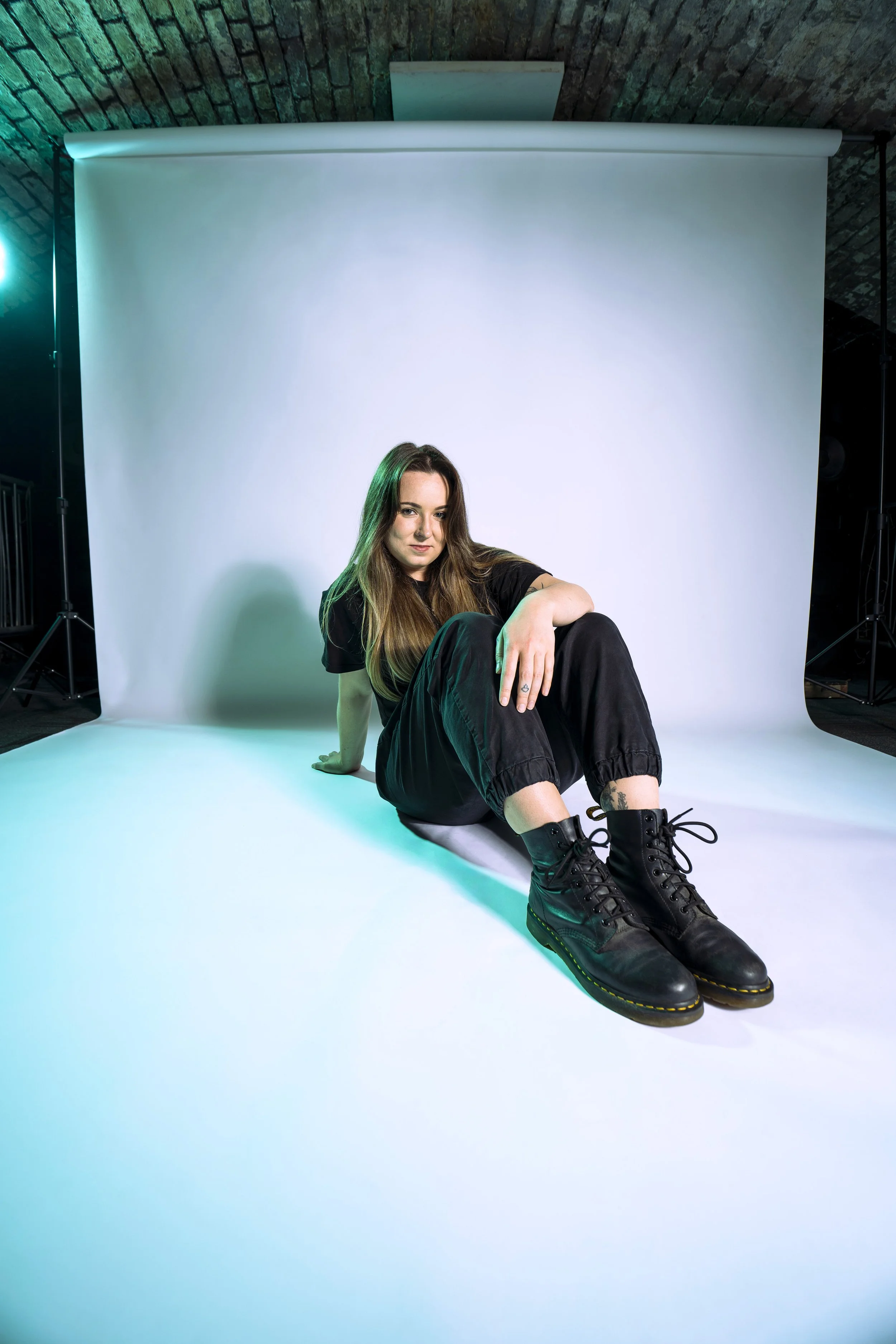
Lou Sawdy, UNMUTED, 2026 © Alia Thomas | www.aliathomas.com | Please do not use without permission or share without credit.
What do you think could be done to encourage more girls into the careers in music production?
I think more visibility is the first thing, and making sure there's plenty of PR around it. I think making sure that we keep going with the grants and opportunities. One of the things I have noticed, because I was sort of looking at some grants and stuff when I first started, is that they're always aimed at people just coming out of university or still within university. If people have been in a position like me where we haven't even realised that it's what we're going to do, you know, because I was 24 I think, when I started, it then closed off a lot of options for me to be able to subsidise, I don't know, like marketing or getting gear, things like that, which is fine. I still have The Ranch, which is an amazing studio to work out of, and they've got incredible stuff there. But if it was me kind of trying to start up on my own, I think that would have been really, really difficult. And it's that thing of, how do you know that people are working if they're not kind of attached to a studio? That's a whole different conversation.
Are there many grants available?
There are some really, really cool programmes. You've got, She Said, and We are Moving the Needle is a great one. They offer lots of different things. They have a thing which they do with Mixed With the Masters. I think there's usually two scholarship programmes that people can get to go over to the studio in France, with top world class producers, which is really cool. There's Women in Music. Honestly, there's so many, which is great. But it's just making sure that you know where to find them. I would encourage so many people to go to gear expos and things like that, because people often have trade stands there. and then you find out about these things, talk to other people, that whole networking again. Making sure that people don't isolate themselves. I know quite a few young music producers who are women who have kind of tried to put themselves out there, got a bit put off and then receded back and then doubted themselves as to whether they could do it. You can do it. You absolutely can. I mean, it's a really hard job regardless of your gender. So I think there are also pros and cons to being women at the moment because it's something that is starting to get a spotlight. There are people who want to hire women so that they can show that they are being inclusive with all the best intentions in the world, don't get me wrong. However, there is kind of a slight downside to that as a woman that you question whether you’re being picked because you can do the job or because they kind of need someone to represent? And I'm sure it's completely innocent, and I'm sure that person is picked because they can do the job, but it still goes through your mind. Almost like a bit of a tick box kind of thing. And you know, I haven't really spoken to people in the position of hiring about it, and I'm sure they'd say that it is with the best intentions, and the person is absolutely perfect for the job, but there's still that moment of doubt. The thing is, we're not going to get over that unless we hire women and they can show that they can do it, but then it's that whole, you know, I'm here to prove a point and I need to, you know. It's a bit of a vicious circle and it's not the healthiest thing, but also we need to be able to put women in positions of opportunity. To be able to then inspire younger people, you know, so it's catch 22 a little bit on that. I think at the end of the day, regardless of your gender, if you can do the job, do the job.
Absolutely. Just touching back on inspirations, was there anyone in particular that inspired you, whether that was to do music as a whole, or are there any female producers that have inspired you over the past or?
I remember really, really vividly when I first started at The Ranch and one of the team members there asked me who were some of your favorite producers, and I said I didn't know. I liked bands and I liked how the bands sound. I then very quickly realized I actually had to do research and figure these things out and look into their mixing techniques, but I was so new to the whole industry on that side of things. I didn't know what questions to ask, what to look for, what research I should be doing but you quickly figure it out. Some of my favorite ones at the moment are Catherine Marks, I think she's absolutely awesome, and there's an artist that I've been working with recently, and a lot of the reference tracks are things that Catherine Marks has produced. She's firmly got some influence there. There's so many people in terms of music itself. I think I have such a varied music taste as well. It'd be kind of hard to pin down across like so many spans of genres. I just think it's just a general love of music. It kind of felt like there wasn't really an option to do anything else.
Generally speaking, how have you found the experience of being in this particularly male dominated area of the industry?
99% of the time, absolutely fine, not a problem. There is occasionally a problem, and I don’t mean to generalise here but it tends to come from the older guys. I had one guy who tried mansplaining gain to me, which is one of the most fundamental parts of the job, and it ended up with him calling my boss and saying, “she doesn't know what she's doing.” But actually, he was trying to get a clean DI signal, except that it wasn't a DI he was using. It was a preamp that had gain cranked on it, and so it was distorting it a bit. I know we're getting a bit nerdy here, but basically he suggested that the gain was too high, and I had to say that my signal path was actually fine, but we needed to swap it out for a DI and that I had one there to do that. He was determined I was wrong, and basically said for me to move over and tried doing it. I let him go ahead, and then he just turned it down volume wise, and he said that it’s fine, but that was because you couldn't hear it! Anyway, he eventually gave in and it was fine, but he did end up calling the boss, which we thought was a bit unnecessary. It was that kind of assumption that I had no idea how to do the absolute basics of my job, and that does sometimes happen. But I then have the other side of it where some people are just so unbelievably lovely to me. I’ve got one client who, when we finished our first session and it was dark outside, in the middle of winter, he asked me if it was far from the studio door to my car, because it was all dark. He's asked, “are you going to be, are you here alone?” And I said, “yes, me, the security cameras and the alarm.” But he said “no, no, I just want to make sure you're safe and get to your car ok.” He’s really lovely. We've now done an album and he's been absolutely wonderful. So I don't want to generalize these things. There are times when you don't feel respected, people won't listen to you, but most of the time it's fine. And I think on the other side, sometimes with being a woman, people feel a bit more comforted and safe. I’m very relaxed, you know, I don't have that ‘alpha bro’ energy or anything like that, which sometimes other male producers have, or just can be quite assertive and dominant. Whereas I like to think it's quite a nurturing collaborative experience, and that's something that I really focus on in my sessions, making sure that people feel comfortable expressing themselves and having this artistic atmosphere. That is something that is a plus side for me.
Do you think there are other things that you may do differently or bring to the space, as a woman, that's slightly different to those of your male counterparts?
I think on a sort of psychological point, there's a slightly almost mothering element to it. Whether that's healthy or not, who knows, but I think there's a little bit of that whole nurturing idea, and I think I try to really give people time and space to help figure things out. It's difficult to put it into words, but I do feel like there are differences, but it also comes down to the individual person as well. I know plenty of male producers who are calm and give time and space and stuff, but it still feels slightly different. And I think it is literally a biological, psychological reaction that people have that's completely unconscious. And I've noticed as I've gotten older, that's changed. Like a lot of the sort of young artists that I work with, when I first started, I was a similar age to them and it was like, mates banter kind of thing. As I'm nearly 30 now, it still happens, but it's less kind of like matesy. I think I've probably got more professional as well. I'm kind of aware of myself a bit more, but it has definitely changed into a slightly more of a confidence that I'm running the session, and this is what's happening. Let's all have fun, but, let's also crack on. Especially with the cost of living crisis and things like that, people are trying to have short sessions and fit more in. It depends on the band obviously, but you know, there are time crunches. We've got to get on with stuff at the end of the day.
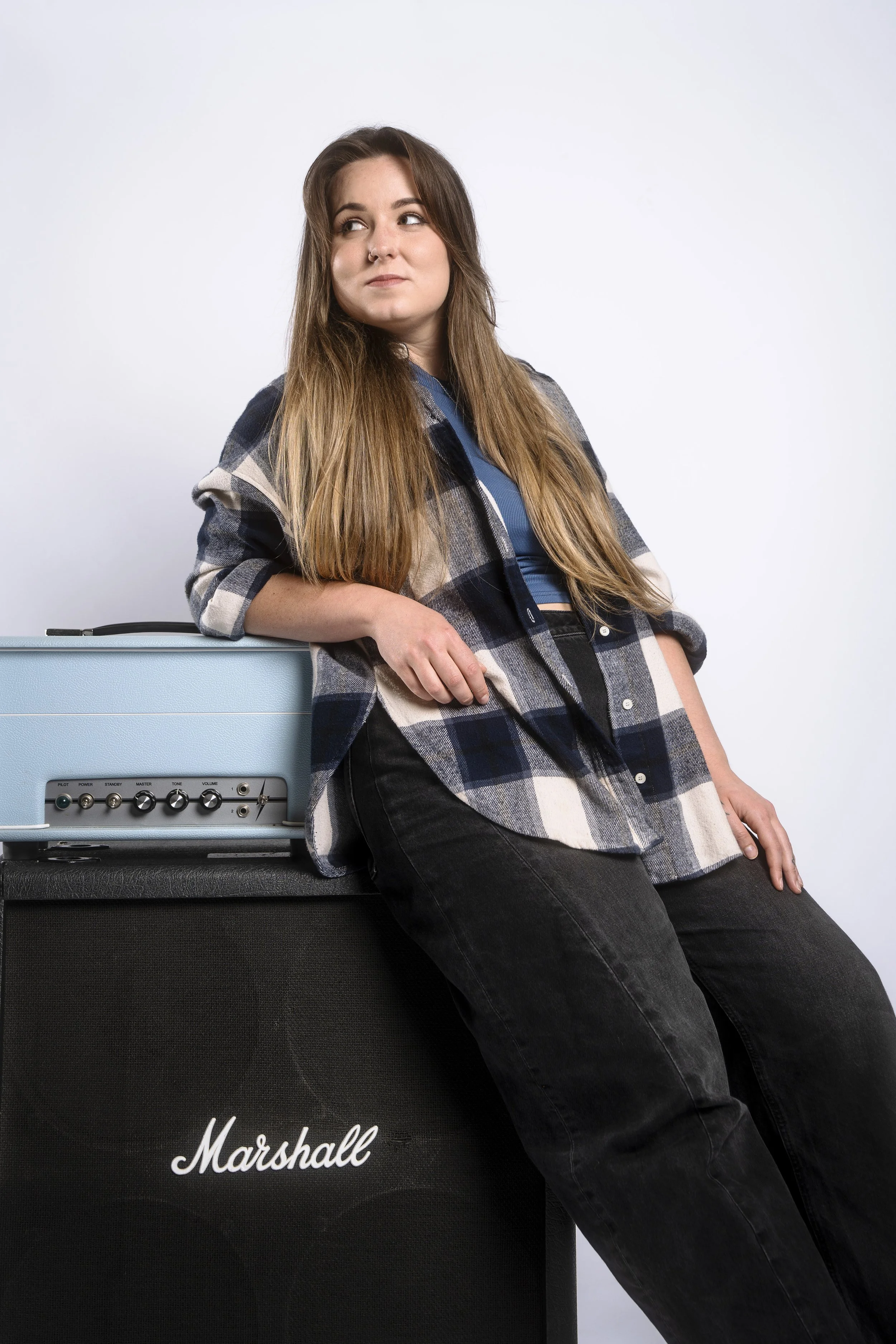
You mentioned earlier about how girls seem to be more attentive when shadowing you. Do you think there’s more of a reason for that?
I feel like we just have to prove that we deserve to be there, but also, I find that men come in a lot more self-assured. I've had a couple of people come in and they're like, “yeah, I know everything”, and I just think, I don't know everything, so you definitely don't, and they go on to realise that they actually don't know everything. Whereas a girl will come in and they’re just sponges wanting to learn. They're far more aware. They're not trying to be like, “yeah, I'm a music producer.” They're more like, “I want to be a music producer. I'm almost there, ready to take on clients, help me get over this next hurdle.” And rather than trying to prove it in a way of butting in and being like, “you should do this in the session”, they listen and absorb and will contribute when it's appropriate. They're just a little bit more socially aware sometimes. Again, there are plenty of guys who are like that as well, but I have found that generally they are just more focused, which I think is where I was at as well, and it was because I was like, I don't know anything and if I'm going to do this, I need to do it properly. One of the things that really irritates me is when girls will be put into a position of a job that they can't do, and they know that they can do it, but they're not ready for it yet. They're trying to blag their way through it, and whilst they should have that opportunity to do it and make mistakes, it's almost like as a gender, we can't afford to make mistakes, which should not be the case. Like if men can make mistakes, why can't we? But it feels like there's so much pressure because, you know, a female engineer walks in the room at a live venue, everybody turns and looks and everybody pays attention to exactly what she's doing. If it's a guy, people are like, yeah, yeah, cool, man, whatever. And that's something that I've noticed a lot at live stuff. I think at the studio, because it almost assumes that you have a level of knowledge to be able to work at a studio, whereas live, it is given a lot of opportunities to young people and things like that. There just seems to not be the same level of respect from the walk in, and so it's difficult because everybody deserves to have an opportunity to learn and grow, but we should be able to make those mistakes, but at the same time it does almost feel like we can't afford to make mistakes.
It’s a real shame that it feels that way. Another role that you’ve taken on is working with a women's group on songwriting. Could you explain what you do with them a little more?
So it's a bit of a course, an open workshop situation. It's women who have come out of the justice system and they've been put into supportive housing, and they've got lots of different programs available to them. One of them is the one that I'm running with another person from SoCo, and it's basically been kind of a songwriting introduction, looking at lyrics as a kind of self-expression, and we're now at the point where we're doing weekly studio visits as well. So they come into Planet Sounds, and we're on our second week of studio, which we had yesterday. It's been absolutely incredible just seeing the confidence and the optimism and the talent as well. These women have never done anything sort of musical before, and it's been really cool just seeing them blossom, going from quite nervous, not really knowing what to expect, to then standing and singing in front of a microphone. It's huge. It's a really intimidating thing and I think a lot of people don't understand that. Even if you're a musician, the first time you go into a recording studio and you're hearing yourself through headphones is a really surreal experience, and these women have just taken it in their stride and they're absolutely bossing it.
That’s amazing. How did this opportunity actually come about for you?
I was approached by some of the team members at SoCo Music Projects, because SoCo Music Projects and Planet Sounds are kind of under one umbrella in a way. So it was one of the programs that they were looking to start, they needed someone who could work in the studio, and they came to me and asked if I’d be interested. I didn’t really know what to expect and I don't know much about teaching specifically. I've dipped my toe in it a tiny bit with some guitar lessons back in the day. So I'm working with Anna and she's been amazing. She does a lot of sessions like this for different sorts of groups as well, and told me how they kind of run and that’s kind of how we got started with it really.
Throughout this project, a lot of the women that I've spoken to who are musicians have said that the songwriting process is quite personal to them. These personal experiences come through in their songs, and in that sense, it's very therapeutic, and cathartic. Have you seen that these women have been helped by the songwriting in that sense as well?
Yes, hugely. They've been saying things like it's a therapy for them. One of the women said it's her favorite program, and that every week they turn up and they're so excited for it. They've opened up about their journeys, and one of them wants to write a song based on hers. There's a lot of personal details in there, which she's incorporating, and it's so beautiful. She opened up and shared a little bit of her story with me, and I said to her that I want to see that strength and optimism come in towards the end of the song. It's just been so beautiful to see. We've been talking to some of the staff at the housing and they've said how some of the women who've been there for several months, how much they've changed and blossomed, and it's really captured my heart, way more than I thought it would. It's just been more than I ever expected to see come out of it actually.
And I suppose this is a circumstance where it really pays to be a woman, where you have this connection with these women, and a level of understanding.
A lot of these women have had really negative experiences with men in domestic violence situations, and I think having that female perspective, and also sort of giving inspiration as well has been really important.
It must be so satisfying, and come with a lot of pride, to see the growth within them. To see the songs for them become reality.
Yeah, seeing them come to these sort of therapeutic realisations a lot of the time as well and having like these odd little light bulb moments is really special.
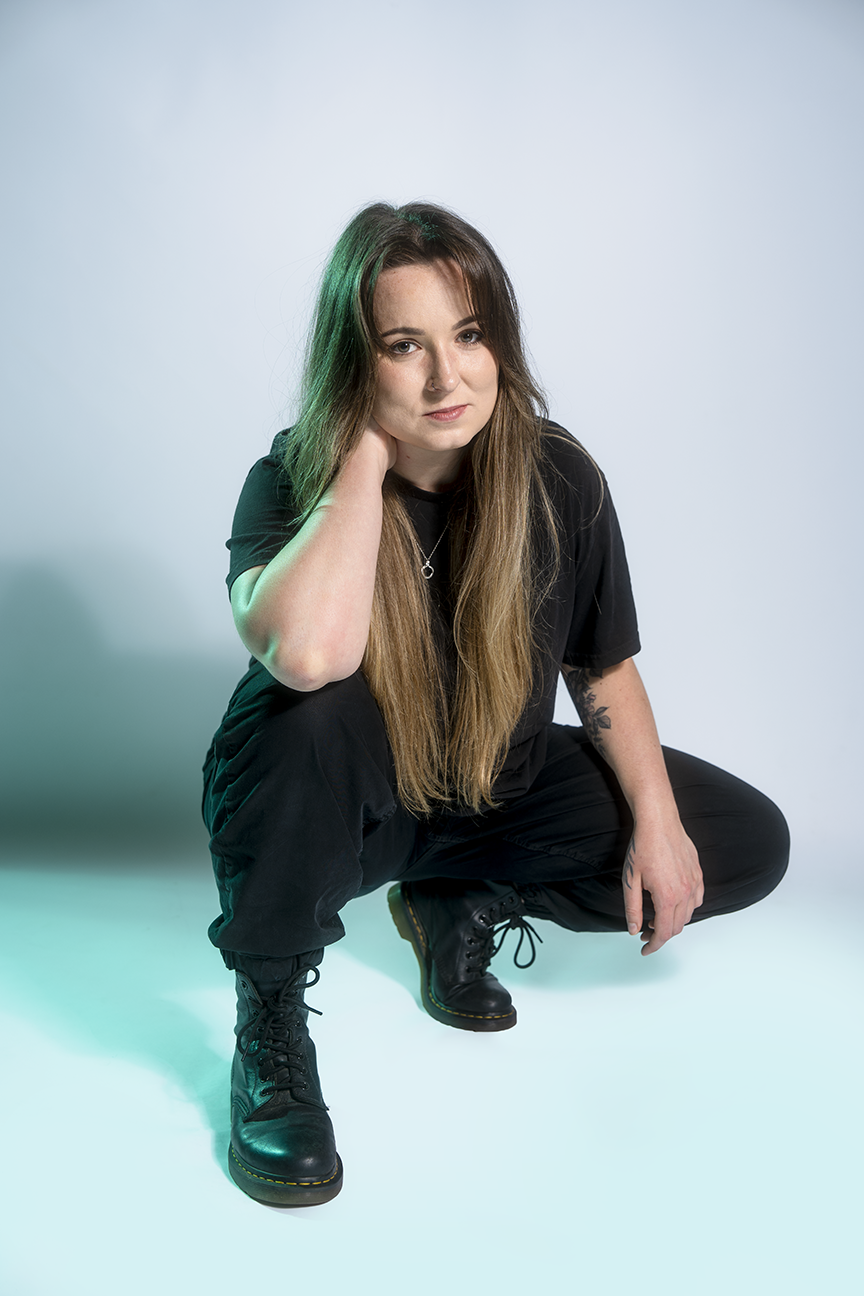
Lou Sawdy, UNMUTED, 2026 © Alia Thomas | www.aliathomas.com | Please do not use without permission or share without credit.
So up until now, you've predominantly been working at The Ranch Studios, but you do now work at Planet Sounds as well. What led you to come to Planet Sounds?
I spoke at the Parallel Music Conference this year, but also last year, and it was there that I sort of got somewhat slightly headhunted, I guess. The two people that were running the studio before both moved to Australia, so there was no one running the studio and they asked me if I would be interested, and I was like, I have zero free time, but sure! Somehow I've fit it in, and it's been great. We basically have this sort of cobbled together studio, and then we've been replacing one thing at a time. There's still lots of aesthetic things to do. We've got some nice new sound panels to go up and things like that, but it's all fully functioning. It sounds great. I've done quite a few songs there now with bands and I'm really pleased with how it's sounding. So that's how I got into it. The team here is absolutely amazing. Everybody is so lovely. It's been really lovely coming in actually.
And you have a new initiative here called Bloc. What’s the premise of this?
Uh, this is where we should bring Andrew in haha. Bloc is a music coalition, so it's basically a networking opportunity, I guess, so anybody local who is a music professional or in the creative industry in general, you know, photographers, videographers, things like that, can sign up to be part of this coalition. There's going to be networking events and it's kind of to help direct emerging artists to different services. So we can be like, “Oh, I know someone who'd be great for that.” Things like that. That's kind of the crux of it. From what Andrew's been saying, there's really exciting things to come with it, events and things like that. But having that network available is so important because half the time is as a young musician, you don't know what you need to do, and the only way you find out is from talking to other people in the industry, other experts and things like that. Whether it's help from signing up to PRS or how to write your EPK, do I need a manager or not? You know, just having people to talk to about those questions with or even finding out what questions you should be asking… Really, really, really important. There's so many things that I wish I knew earlier on and this is going to give the opportunity to anybody wanting to do that.
We're really lucky in Southampton, where we’ve got SoCo, and Parallel who put on events as well, and not only the conference, but monthly playbook events. I know certainly when I was younger, when I was starting out, I really underestimated how important networking was, but I was also terrified of it. I still am to an extent, but I think people do underestimate how important networking is.
But also, not even in the sense of finding connections to help with your career, but you meet like minded people, and you can make friends out of it, and then you can grow together in your musical journeys or whatever you're doing. I've made so many friends out of doing this kind of thing, and I think in the last couple of years, especially where I've, I've sort of accepted to myself that I am a professional doing this, I can do this, and I can talk about it. And I’ve met so many people. My friendship circle has grown exponentially, and it's not just people that occasionally ask for help over Instagram or something. It's like actual genuine connections, and that's so important, especially in a job where it can be quite lonely sometimes. I'm sure with photography, if you're sat at home editing for hours or something, that it’s similar. I did it the other day where I sat and it was like seven hours had gone by, and I was locked into this mix, and I thought I'm probably making it worse. How long has it been, like a few hours? Oh my god, it's been seven hours. I haven't had a glass of water. This is not healthy, haha. I really need to start setting timers, and then it's the evenings, especially if you live by yourself or something, it's then the house is echoing around you. I’ve got my little dog, but it can be quite isolating, and to have a group of friends or even just one friend that you go, “do you want to meet up and go for coffee?”
I think it's nice that those people generally know what you're on about. They understand. They're going through the same thing. So it's really important to have those people that are like in the world that you're in, and I think it's really difficult if you're in the creative industry, particularly if you're a freelancer, if you've got friends who maybe have corporate jobs, or any kind of like nine to five. It can be really hard sometimes to maintain those friendships, because we're working weekends, we're often working evenings, you know, finding time to catch up. I've got one of my absolute best friends, love her to pieces, and we've got a little thing with our communication, and we've been best friends since we're like 16. So we've had to kind of navigate that, and we've just openly talked about it. It's been amazing, and we've now got a little thing that, where her name begins with L, and mine begins with L, that if we're both busy, or one of us is thinking about the other, but we can't, you know, entertain the whole conversation, we just send an ‘L’ to the other person, just to say I’m thinking about you, don't have time to reply or sort something out… But it's just one of those things that makes you think there's somebody out there who still cares, I'm not alone. Proper friendship goals. Having that tether, because sometimes, like I said, it can be really isolating, and, you know, you don't want to lose your friends, so you find healthy ways to communicate and figure that out. Same with partners, you know, because it's really hard to maintain relationships. There's so many hurdles when it comes to these sorts of things. So having like minded people in the industry, it's kind of vital, really.
You’re so right, it’s incredibly important to be connected with other creative and like-minded people! Now, we haven't mentioned Lost Post yet, but it's quite a big part of your life. You are a singer and a guitarist in the band. When did you join?
It was November 29th, the year before last. So it's been roughly a year and a half ish, I think. I met one of the guys at Heartbreakers in town, actually. Another reason to go out and network. A mutual friend of mine introduced him and said “this is my friend Lou, she works at a studio.” He was like, “Oh, cool. I'm in a band.” He ended up coming in with the rest of the band and recording a single, which went really well. They came back to record an album, and it was during that process. I was doing quite a lot of arrangement bits, harmony writing, the harmonies bit was the main thing, and they said I should sing it. I said no but they thought the female voice worked really well on it, so I was like, okay, here we go. But I did it, and I loved it, and I hadn't really gotten massively into country Americana music since I was probably back at college. I went through a massive folk phase then. And it just brought up all these nostalgic feelings in the band themselves. I mean, they're a second family to me now. They are just wonderful humans, and yes, I ended up recording the harmonies onto that. Then they asked, “do you want to come and do a gig with us? It'll be really fun.” So I did the gig, and it was my first time performing in like six years, I think, and afterwards, they came down and said “we've had a discussion. Would you join the band?” Brandon actually got down on one knee. I cried. I don't know, it just felt really right, and the whole thing with Lost Post is we are such a family unit. We're best friends. You know, we're seeing each other once or twice a week, usually, whether it's for something social, or, you know, Taco Tuesday is a regular night. Whether it's rehearsals or writing. We've done a writing retreat and stuff like that. It's just become the second family that is such a massive part of my life now.
It sounds like a really special bond you’ve all built together. You said that you weren't necessarily an avid listener of country Americana music?
Yeah, I am now. I do actually have another band. It's not on socials or anything. It's been a writing project for ages, but that is kind of more like hard rock, slightly metal-y vibes to it. So it's like totally, totally opposite. It's such a cathartic thing. I just need to pull my finger out and finish the mixing. Basically, it's one of those things that when it's your own project that technically doesn't have a timeline, you say I'll just fit this actual paying client in first, and then it kind of gets put on the back burner. I'm really excited about it. I think it's going to be really cool, but we're also quite spread out, so it's a little bit difficult. So there's these two sides to me, but I'm now very much an avid country listener. You'll see me at the traffic lights in Southampton, singing my heart out. I have zero shame when it comes to singing in the car.
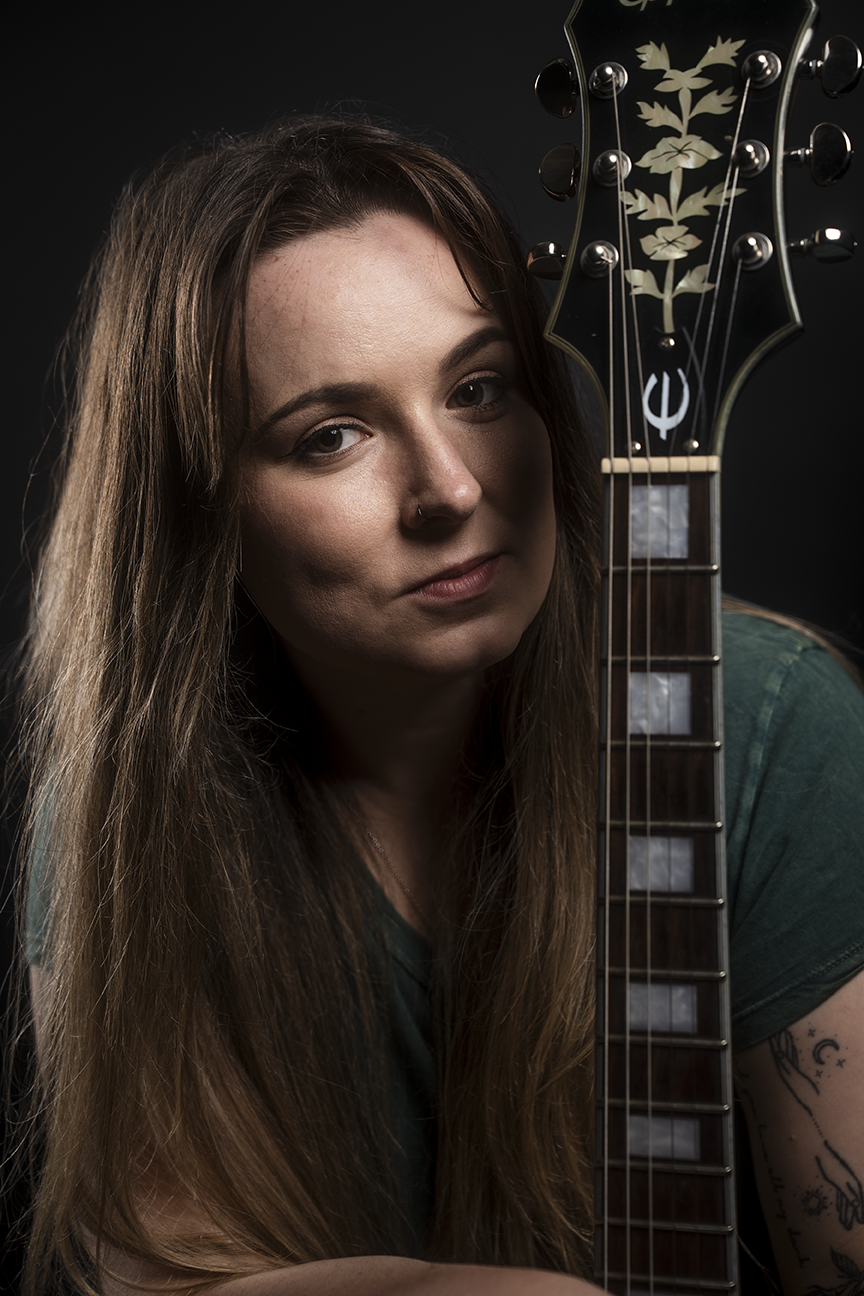
Do you enjoy performing?
Yeah. I love it now. I used to absolutely despise it. Okay, maybe not despise it, but I used to get very, very anxious, and my thing was that I would shake uncontrollably. I could talk myself down and sort of do breathing exercises, but for my final performance at uni, when I was doing my classical guitar, I was playing in the Turner Sims, and I had these shoes on which had a really hard sole. Where I was shaking, my leg was tapping out of time, and it was echoing around the whole hall. I actually ended up losing a couple of points for it because it was so loud, and they thought it was out of time. I was just nervous, and I don't know what it is, but as soon as I get on stage with the band, there's just this sort of camaraderie. You'll see us having a little dance and things like that. It just becomes this really fun event that isn't a performance. It doesn't feel like you're performing. We're playing music that we love, get involved. Just having fun together.
That's lovely. Do you have any performances coming up with Lost Post?
We kept the calendars a little bit quieter this year. Last year, we did an insane amount of gigs and we're a little bit burnt out, but also where we're focusing on writing the album at the moment, we've brought it down to focus on the writing, give ourselves a little bit of time just to take everything in and get into the flow of things. We're a good chunk of the way through writing album seven. There's a lot of finessing to do, but it's really exciting. I'm hoping that we'll be in the studio in the autumn. That might be optimistic, but I believe in us.
So when would you when would you be hoping that the album would be coming out then?
Oh my goodness, I don't know. There's so many things that go into releasing an album, and I think there's so many mistakes that we made releasing the first one, as we were doing it all ourselves. It was kind of figuring it out as you go along, but now we kind of have a bit of an idea on what we're doing. I think we can go in a bit more prepared now, but it does take a really long time, you know. Even knowing how much time you need to leave for playlisting and for talking to sync agents… A lot of our music is quite inspired by Yellowstone, and Taylor Sheridan movie type things, TV series. So Taylor Sheridan, if you're watching. Hit me up. Come use our music for your shows. But it's that sort of vibe, so I think we're quite hopeful that we're going to look into that and do it properly. I think we're just equipped with so much more knowledge now, which is also where Bloc comes in handy, because, you know, there's now networking opportunities where you can find out about those things, rather than be furiously googling ‘how to release an album.’ Because even though I've been doing the production stuff for a while, I don't know the absolute ins and outs of stuff. I’ve released music before with other bands, but there's so many little things and, you know, your content plans and all the things that make artists scream at the void. Because I'm a little bit younger than the rest of the band, they dread when I'm like, “hey, guys, we need to make a TikTok.” I think we're just trying to embrace what we're really like as a band. We're not playing on air and graces. We're all far too old for that. We're just a bunch of millennials trying to be a band.
So to round things off, in the next five to 10 years, what changes would you like to see in the industry?
Where do I start? Inclusivity, which obviously we're building on, but it needs to happen at a faster rate. The biggest thing as well, is the amount of money coming into the industry and, taking the gender issues out of there, and more onto the class issues, but the difference in funding between your Taylor Swifts and your bands which are grassroots bands. And that gets put through to the studio. Studios are struggling all over the place. You've got this whole issue around business rates. There needs to be some sort of cash injection. There needs to be a change in the way that we consume music as well. I'm guilty of it as well. When I was at uni, I'd be going to gigs a couple of times a week, and aside from the fact that none of us have any disposable income half the time - if you're in the music industry, you definitely don't - and as much as you want to go and support those artists, sometimes you can't. And there's really cool things like the support tickets where it's kind of a pay what you can. I was going to go to a gig the other day and I saw it and I paid the price for a ticket because I could, but I think having that opportunity is really, really important. So more schemes like that too. The whole accessibility of it as well. From what I can see, students don't go out like they used to when I was there back in the day, and I think venues are struggling and it's this whole chain of system of, if artists can't get paid, then they can't afford to go into the studio. So this is where things like the grants come in handy a lot. I think with those, we need to look at different kinds of grants - more grants that open it up to more people as a lot of the eligibility criteria is very, very niche and specific. That is great because otherwise you'd have every man and his dog applying, but also there just needs to be a little bit of a look over it, I think, and make it a bit more accessible. There's just such a big divide at the moment and we need to close that gap.
Going back to how we consume music as well, obviously you've got issues around Spotify not paying artists and things like that as a massive one. and I'm really glad that's having a real spotlight on it. We were chatting about AI at the Parallel Music Conference and one of the things that I said, and I'm pretty sure I did steal this phrase, was the art of listening. That's one of the things I absolutely love with Lost Post, is that quite often we'll sit and we'll put on a vinyl and we'll sit and listen. We might have a beer, you know, and just chill out, have a listen, talk about it. People don't just sit and listen to albums. It's AirPods on the go the whole time, or in your car, and having the time to sit and listen to somebody's art form, I think, is really important. I remember I had a radio which had these little wires on, and I had a sloped ceiling in my bedroom and the signal was terrible, so I'd sellotape them to the ceiling. I used to sit every Sunday and listen to the Big Top 40 and skip through radio channels and things like that and just listen. I think that's really important, because as soon as we start placing value in music, it becomes more valuable. It's difficult when you've got this whole AI issue, and I can't remember, was it like Deezer or something that said it was like 44% of its daily music was being uploaded was AI? Which is a bit soul destroying. I'm not going to go into the whole AI conversation because we will be here forever, but it's really hard to compete, and just the amount of tracks that people are uploading… It feels a little bit like a losing battle, but we've got to figure out a way to tackle how it all gets looked at, and the algorithms and that kind of thing. I don't really know what the answer is. I think that's a big one that's above my paycheck.
Ok, lastly, if you were to give some words of wisdom to women and girls who are aspiring to get into the music industry, whether that's to do production or other roles, what would your words of wisdom be?
Don't be afraid. I think that's the biggest thing. Work ethic. If you're willing to put yourself out there, and you're willing to work hard, you're willing to put in the hours, you're just willing to learn… If I'm hiring an assistant, I don't really mind if you don't have a degree. I'm going to be looking at what you have proactively done to deserve the position that I'm going to give you. That’s a big thing for me. Work ethic. I want you to want to learn. I don't want you to turn up and be like, “yeah, I could do this” or whatever. Because I'm still learning. I don't know everything. I'd have far more Grammys than I currently have if I knew everything. It's a work in progress. So yes, don't be afraid, and have a strong work ethic. Network. Chat to people. And enjoy it! Have fun with it. It's not the end of the world. The whole point of you doing a silly career like this is to have fun. Have fun with it. You've got to do it because you love it.
A big thank you to Lou for sharing her experience and insights into the world of producing, and if you’re interested in working with her, or following her work, you can find her on Instagram at @lou_sawdy_producer, and her band at @lostpostband.
Another thank you goes out to Planet Sounds (@planetsounds) for letting us use a rehearsal space for this interview and photoshoot, and make sure to check out SoCo (@socomusic), and The Ranch (@ranchproductions) too.
A big thank you to you too, for supporting UNMUTED. This is a self-funded project, so if you’d like to help with further support for the project, you can buy yourself one or more of our select prints from our Front Photography store or donate to help keep the project going at buymeacoffee.com/aliathomas, or if you can simply share these articles with your network. Any support, whatever shape or form is greatly appreciated.